How to Tell if House Flipping Is Profitable in a ZIP Code
A ZIP code can help you decide where to spend time looking for deals. It cannot tell you whether one specific house will make money. A good flip still needs the right purchase price, a believable after-repair value, a realistic rehab budget, and enough room for financing, holding, and selling costs.
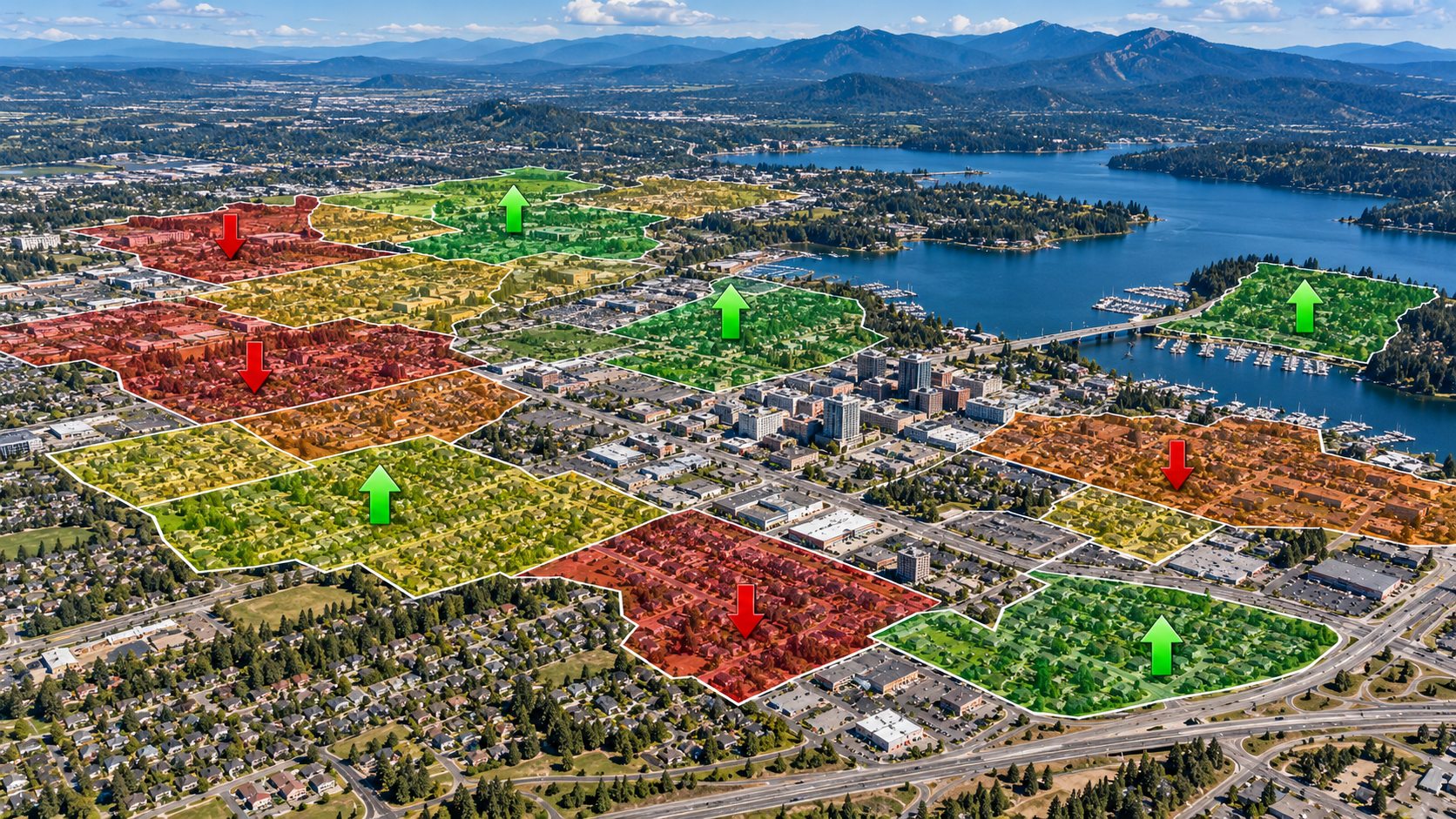
Illustration created for DealReady.
Use a ZIP code to screen a market, not price a house
Start with the kind of project you actually want to buy: your price range, property type, repair scope, target profit, and the longest hold you can tolerate. Then compare ZIP codes that fit that buy box. Local price, inventory, pending activity, and days on market can show whether buyers are active and how much competition a finished house may face.
Those numbers are context. They do not replace recent comparable sales for the house you are considering. A strong ZIP can still contain an overpriced property, and a slower ZIP can still produce a profitable deal when the purchase price leaves enough room.
Check demand, supply, and selling speed together
- Pending activity helps show whether buyers are putting homes under contract.
- Days on market can warn you to allow more time and carrying cost.
- Months of supply shows how much inventory buyers can choose from.
- List-to-sale ratio can reveal whether sellers are receiving close to their asking price.
- Price movement is useful context, but it is not a promise about your finished sale price.
Do not let one favorable metric carry the decision. If inventory is rising and homes are taking longer to sell, run a longer hold period and a lower resale scenario before you decide what you can pay.
Prove the after-repair value with nearby sales
After you find a market worth investigating, switch from ZIP-level research to property-level comps. Look for recent sales that match the location, size, layout, condition, and finish level you plan to deliver. Your ARV should come from comparable finished houses, not a ZIP median, an automated estimate, or the seller's asking price.
Make the deal-level math push back
- Estimate the rehab as a range and include contingency for unknowns.
- Add purchase, financing, holding, and selling costs.
- Set the profit you need before looking at the seller's price.
- Test a lower sale price and a longer hold.
- Lower the offer or pass if the deal only works when everything goes right.
Practical rule: ZIP data helps you decide whether to investigate. Your comparable sales, contractor scope, financing terms, and full deal math decide whether to offer.
Screen the market, then underwrite the house
Use DealReady Market Pulse to compare ZIP-level signals, then use the Deal Analyzer and Underwriting Assistant to test the actual property and offer.
Open Market Pulse